
What makes something look “American”?
Perception Drives How National Identity Is Recognized
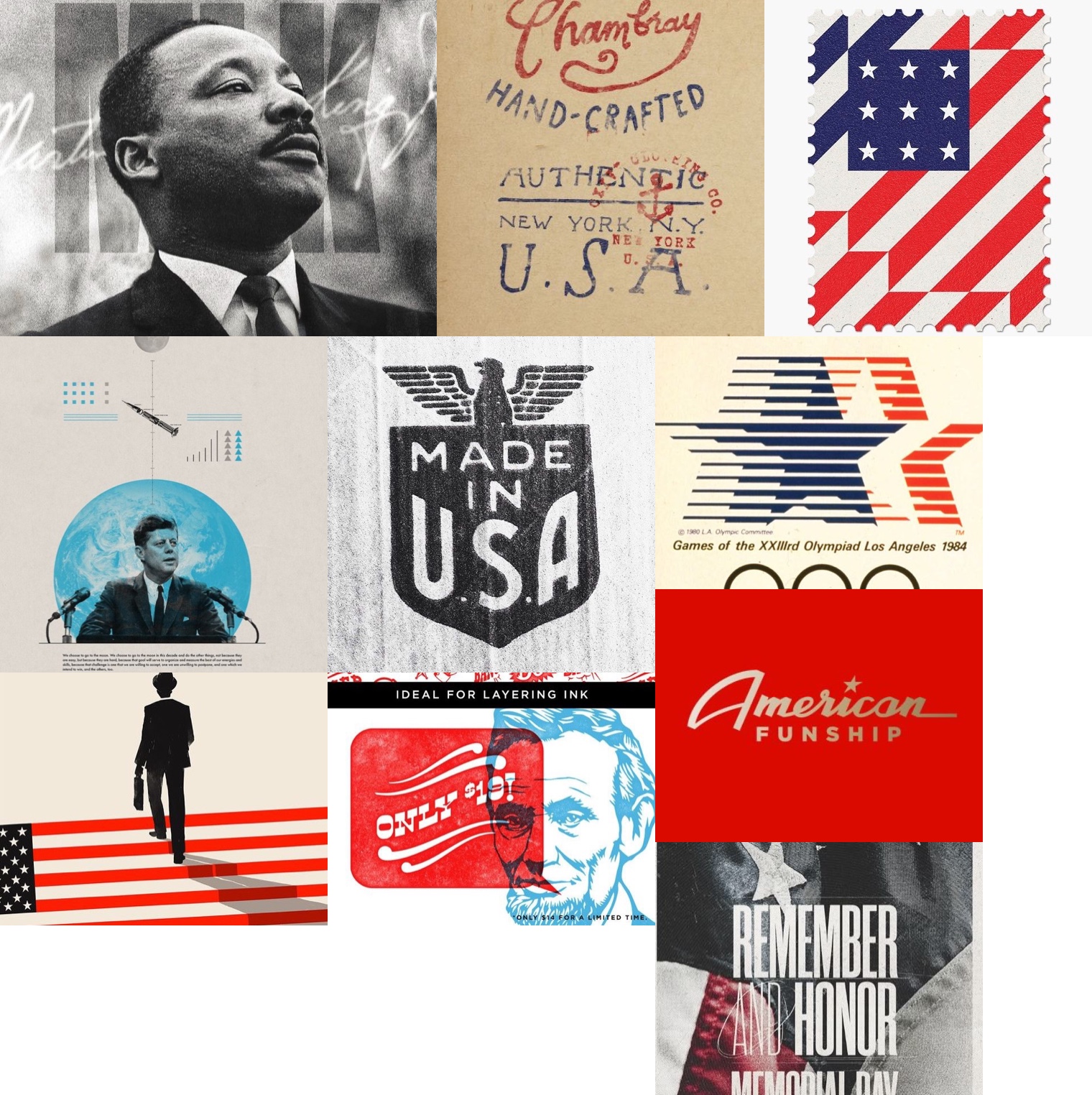
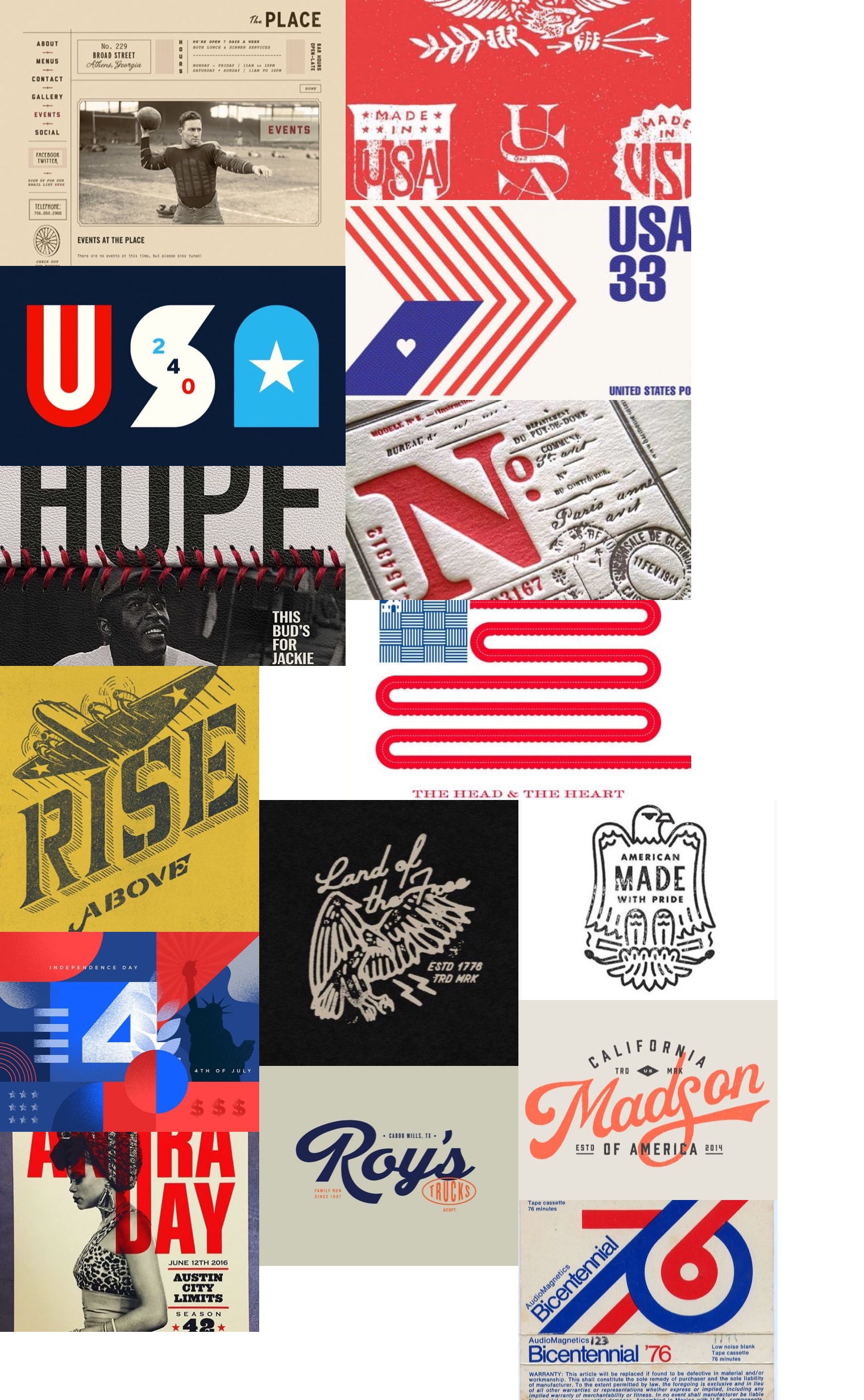
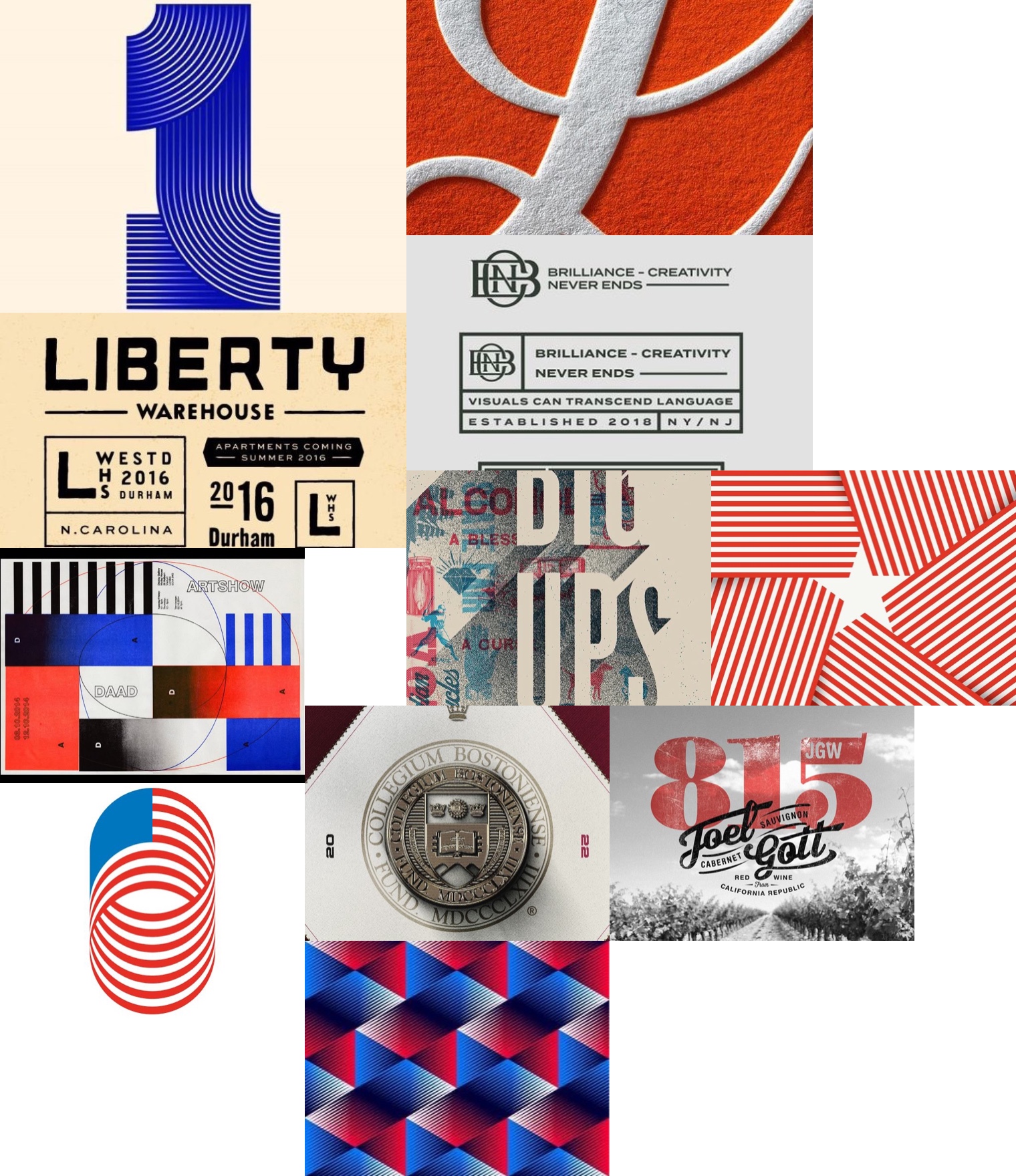
We showed 57 people a mix of posters, stamps, logos, and packaging—all using familiar red, white, and blue palettes, stars, stripes, and vintage typography—and asked them to sort by what felt American and what didn’t.
Want to see what your audience thinks about
YOUR creative?
We’ll Run a test… Free.
Does Your Creative Survive Disagreement?
“American” means different things to different people. This study shows where those perceptions align—and where they don’t. The full AI report is below.
You can uncover the same kind of clarity in your own work, before it goes live.
Study Design and Audience
The results surprised us. The dividing line wasn’t style. Modernist and vintage designs appeared on both sides. It wasn’t color—patriotic palettes saturated the rejected images just as heavily as the accepted ones.
The difference was purpose.
Images that served civic, commemorative, or institutional functions—USPS stamps, Olympic graphics, portraits of MLK and JFK, “Made in USA” certification marks—clustered strongly positive. Images that used the same visual language to sell products or decorate surfaces clustered strongly negative. Audiences distinguished, with remarkable consistency, between symbols that stand for something and symbols that are selling something.
Below are the three constellations—what resonated, what was rejected, and where opinion split. The full analysis follows.
The test was distributed to a general audience without demographic segmentation. Respondents interacted with three APM screens, placing green (+) dots on images that looked American to them, and red (–) dots on those that did not. Based on their responses, the image set was sorted into three visual constellations: positive, negative, and neutral.
See below for the full and detailed report.
Resonance, Resistance, and Contested Constellations

Previous Studies and Results
Design Meets Data—Stay in the Loop
We’re just getting started. Subscribe below to get more studies, reflections, and visual data insights straight to your inbox