
What Does “Visual Data” Look Like
The Data You Don’t Read but Still Believe In
We asked 50 emerging designers to rate what looks like visual data and what doesn’t. The findings challenged our assumptions and revealed that structure, not style, drives visual trust.
The Form That Informs
At Constellations, we help people make sense of the visual world by using perception testing to inform more intuitive, effective design decisions. Our platform reveals how visuals are interpreted, enabling teams to move forward with greater clarity, confidence, and impact. But meaningful perception testing begins with a shared vocabulary.
One term we encounter often, yet find rarely defined, is visual data.
It’s frequently confused with data visualization, but the two are not the same. Data visualization transforms datasets into charts, graphs, or infographics to support interpretation. Visual data, by contrast, is information embedded directly in visual form. It is structured, styled, and labeled in ways that make meaning instantly perceptible. It’s not decoration; it’s legibility through form.
Because we work at the intersection of visuals and understanding, we launched our first study on the Constellations platform to explore this very question:
What does visual data actually mean to people? What associations come up? What patterns emerge? Where is there alignment, and where is there ambiguity?
Below is an overview and summary of our findings.
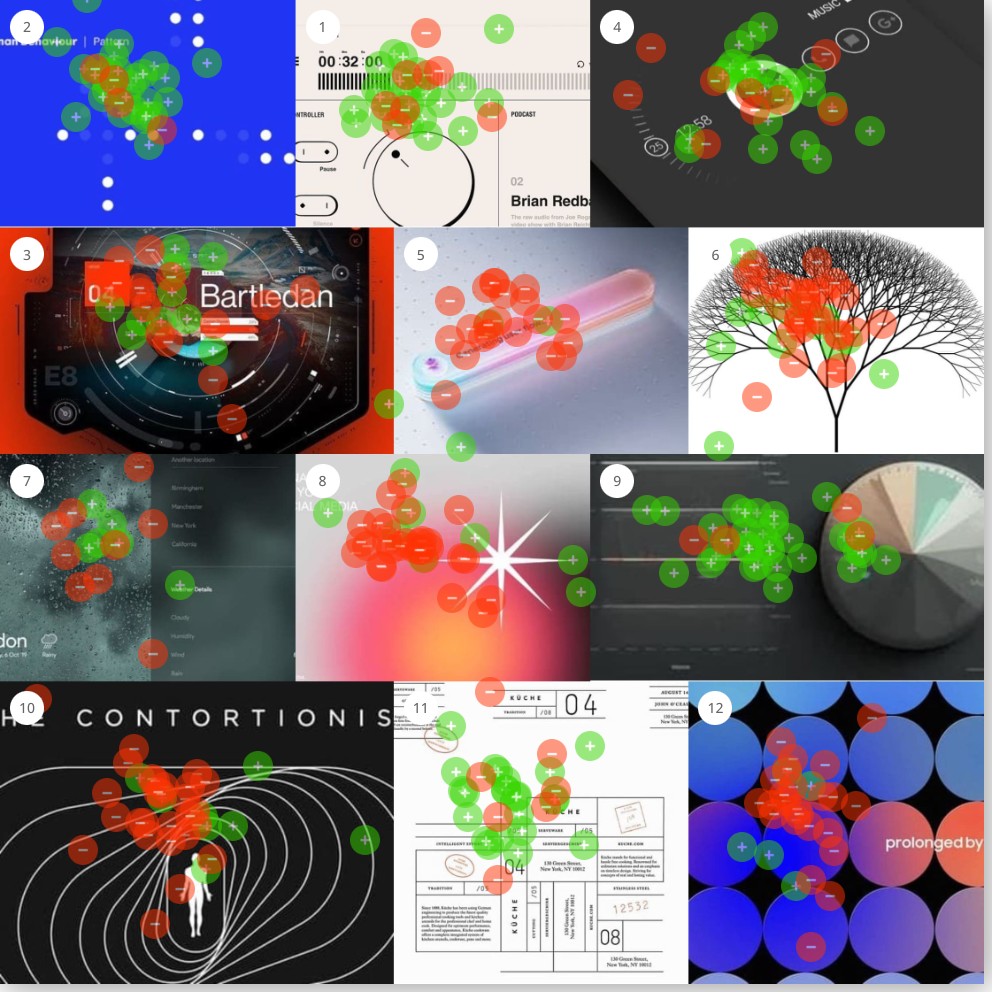
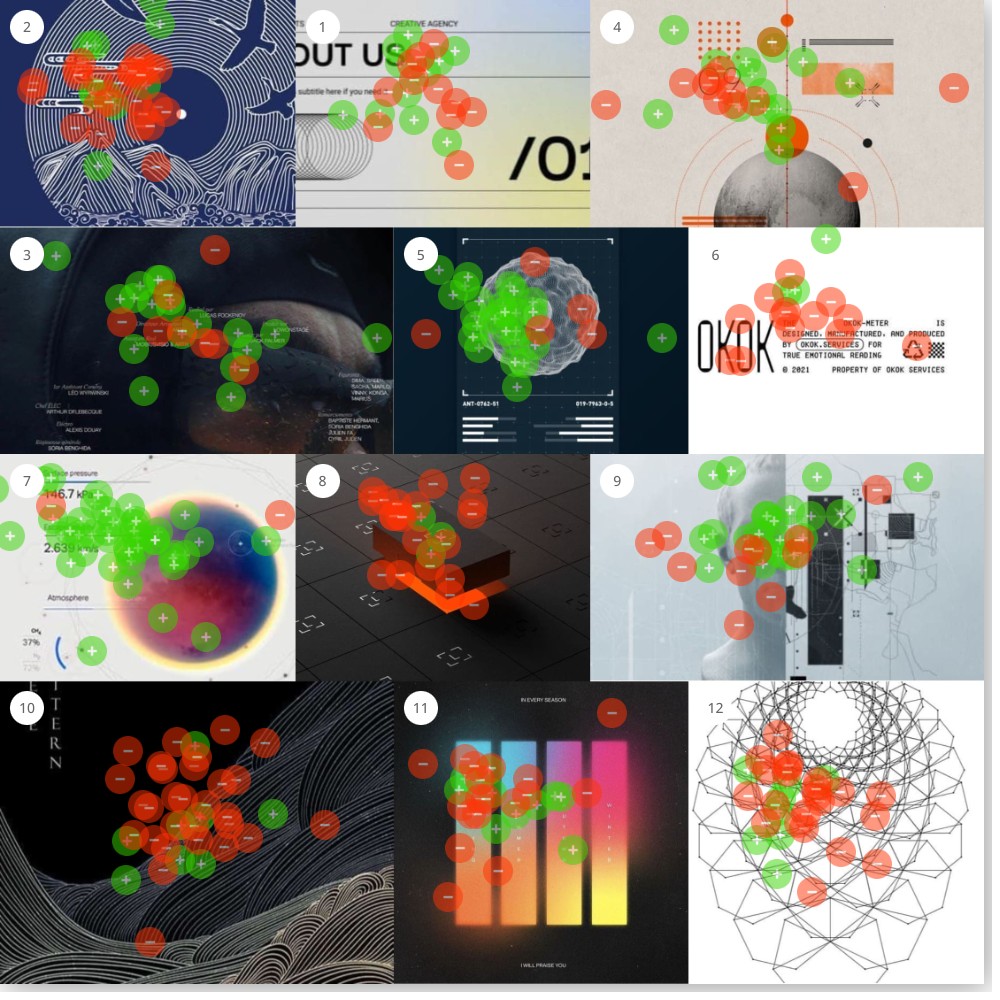
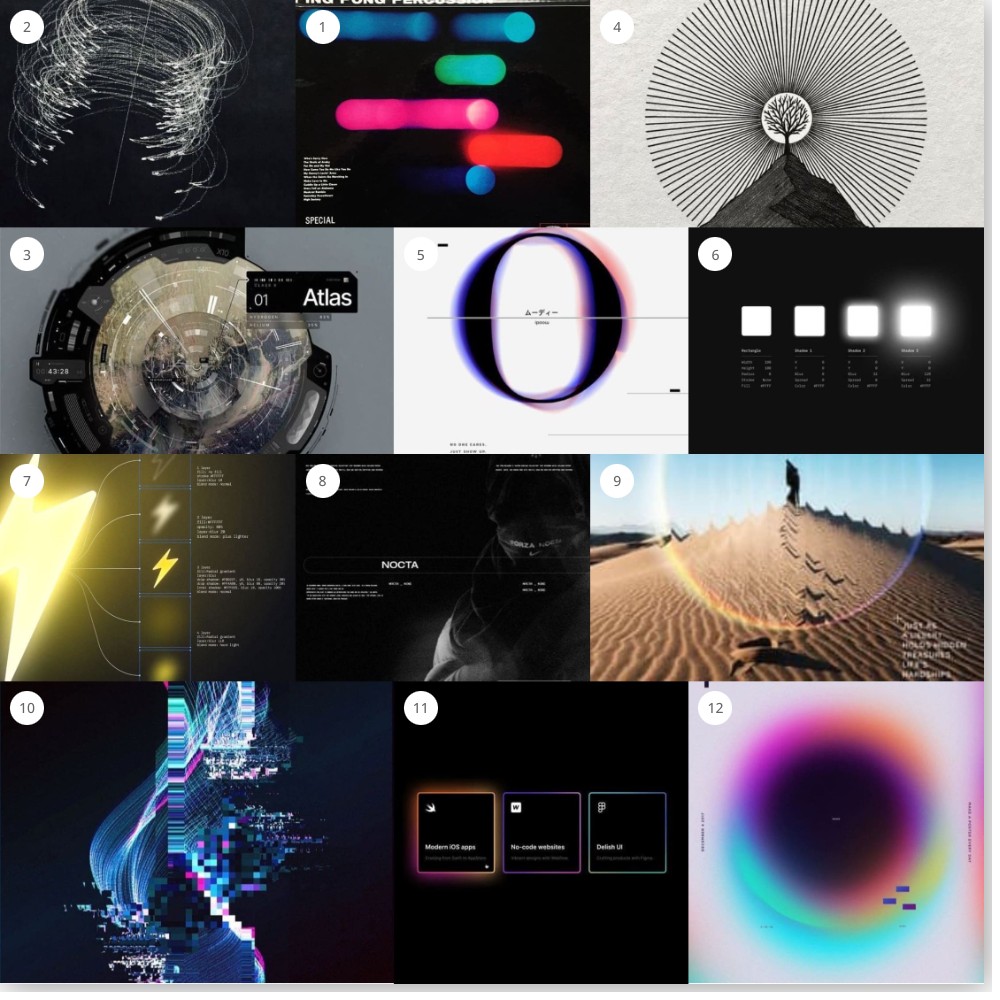
Watch a deep analysis with our founder below
Previous Studies and Results
Design Meets Data—Stay in the Loop
We’re just getting started. Subscribe below to get more studies, reflections, and visual data insights straight to your inbox
Mailing List
Sign up to participate in interactive visual surveys and receive exclusive analysis reports on timely, trending topics—all from a visual perception perspective. You'll also get product updates, creative case studies, and smart ways to sharpen your visual strategy.